The ADU Advantage
Building Value into New Construction Homes
Explaining the New ADU Law
The Florida housing landscape is evolving, and one of the biggest changes impacting new construction homes and existing properties is the new Accessory Dwelling Unit (ADU) law. As the owner of Jason Boutwell Construction, and a builder specializing in both new custom homes and major additions, my team and I are already helping homeowners navigate this exciting opportunity.
Here is my perspective on the new law, what it means for your property, and how we’ve already applied innovative ADU design in new home construction.
About Accessory Dwelling Units (ADUs)
An Accessory Dwelling Unit (ADU) is a secondary, self-contained living space that is located on the same lot as a primary residence. My clients often call them in-law suites, granny flats, guest houses, or carriage houses.
Think of an ADU as a smaller, independent home. It must include:
The Types of ADUs We Build
ADUs are not one-size-fits-all. They fall into three main categories, all of which Jason Boutwell Construction has experience building:

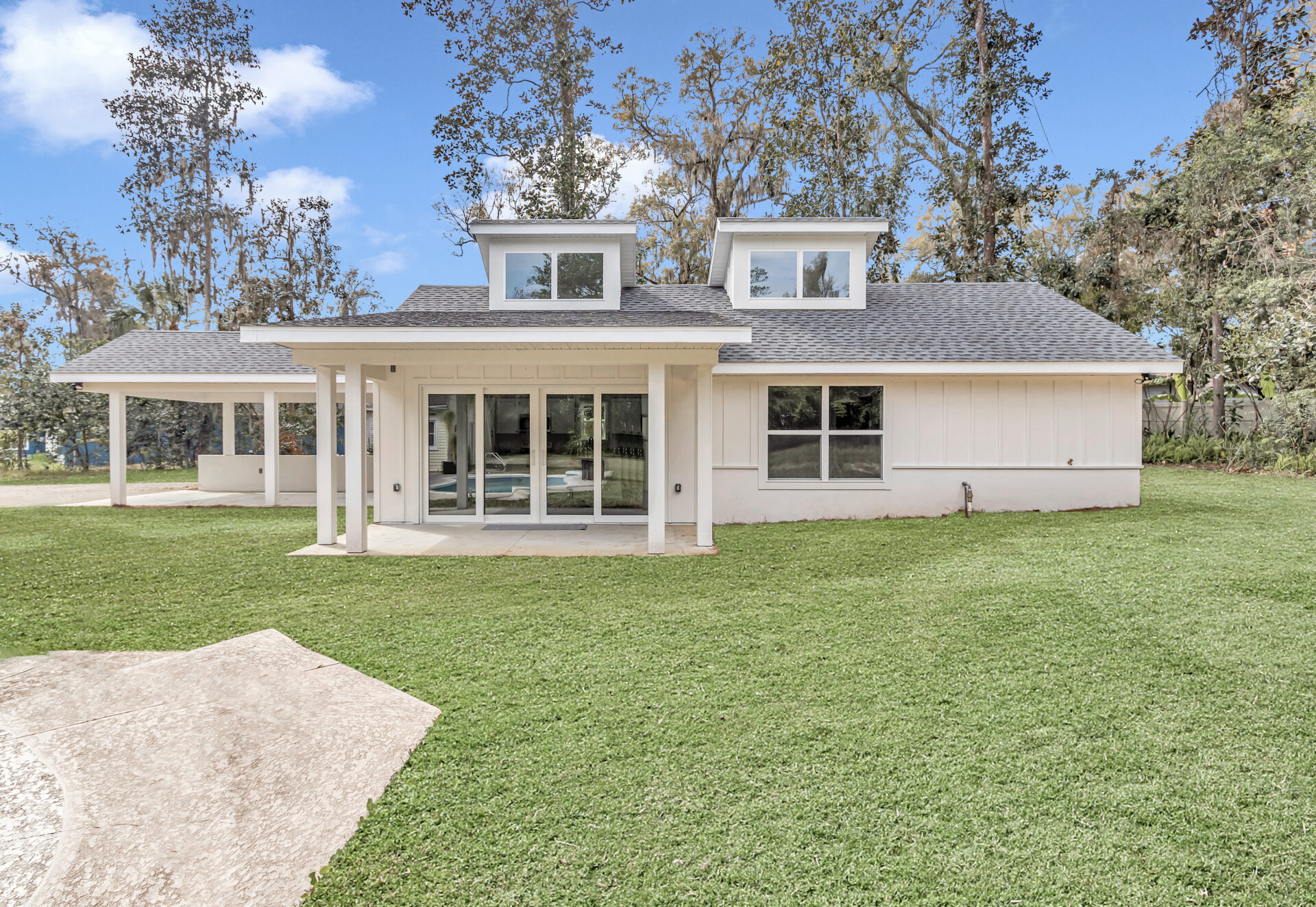
Detached ADUs
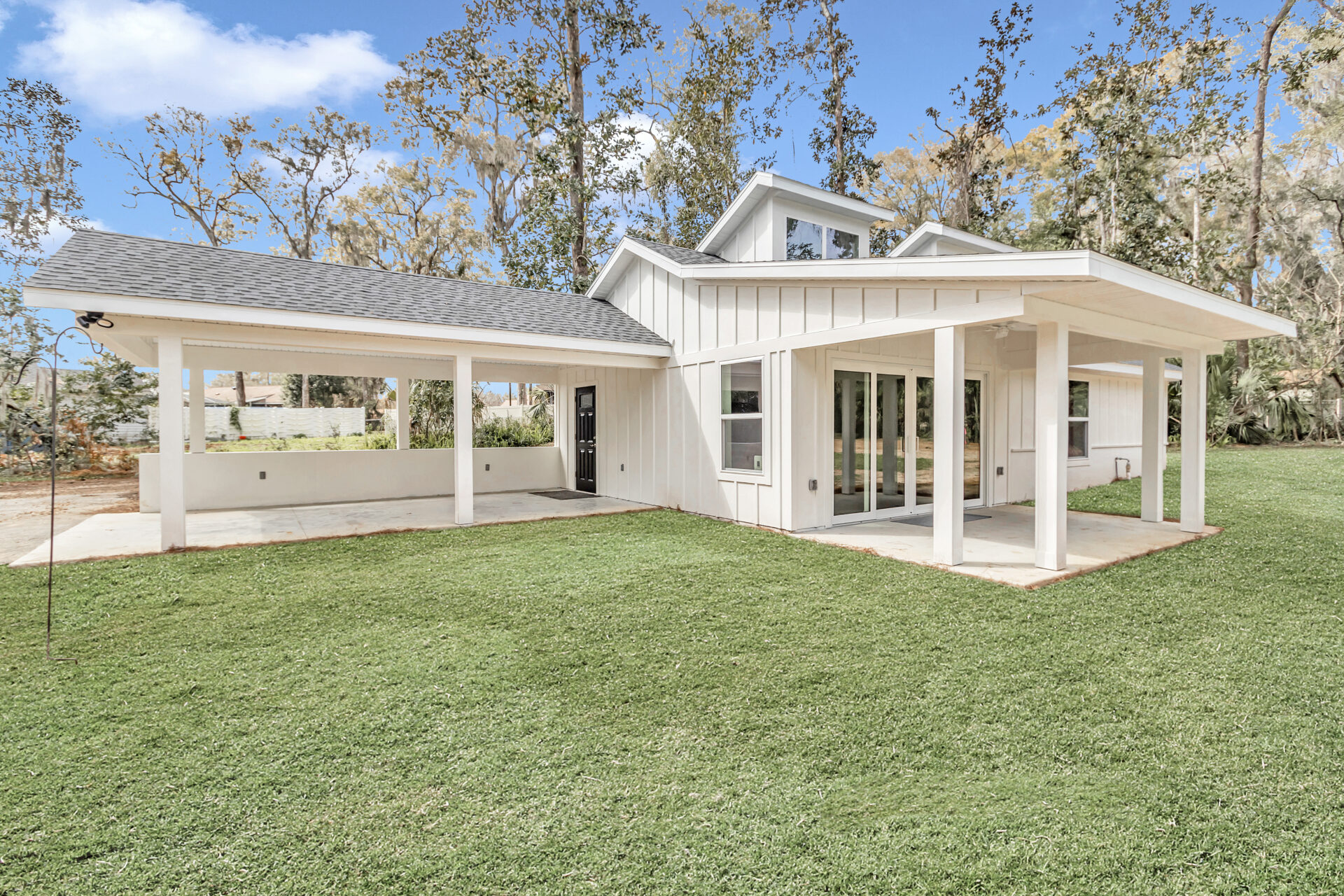
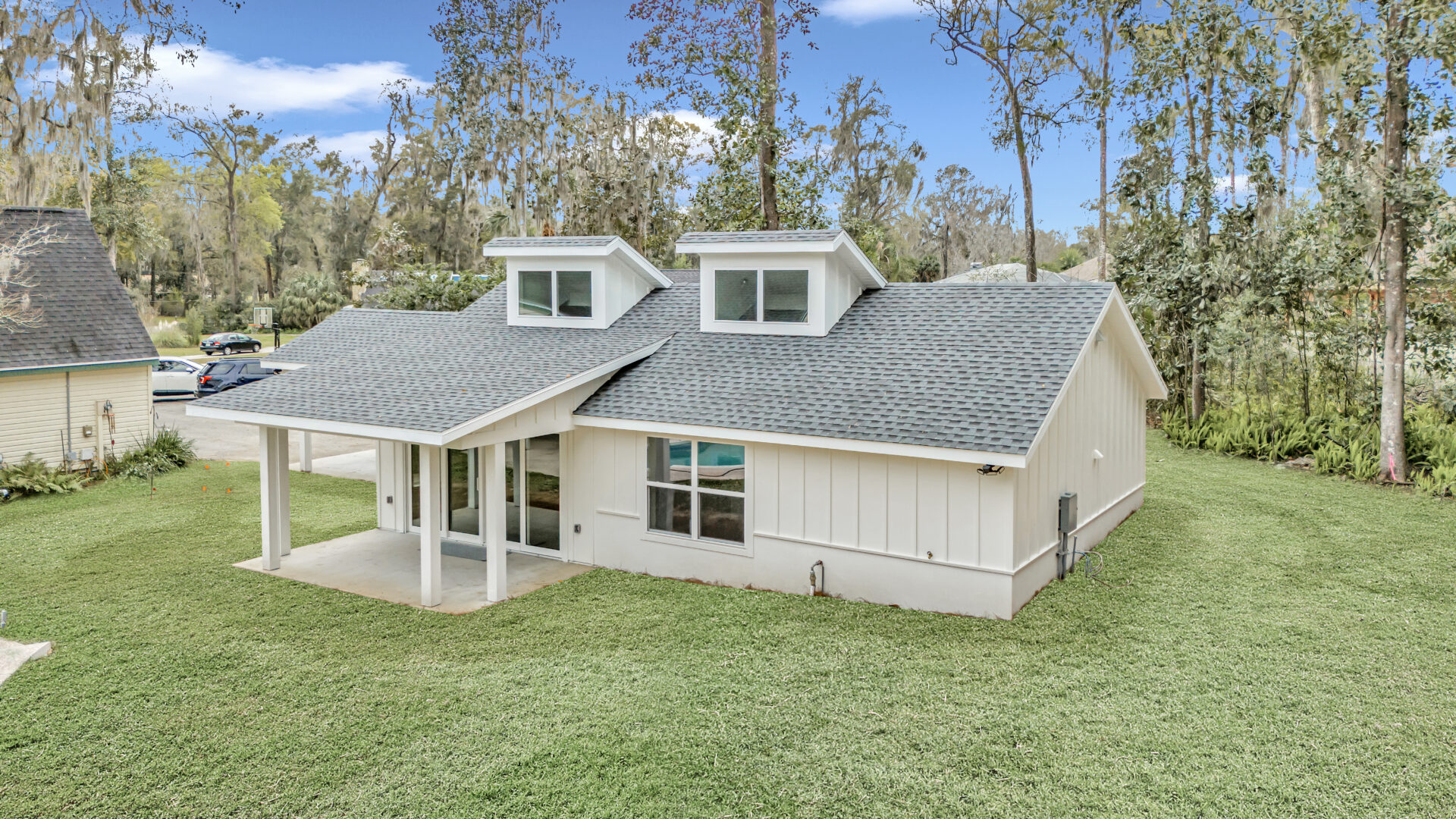
A completely separate structure on the property, like a backyard cottage or a unit above a detached garage.
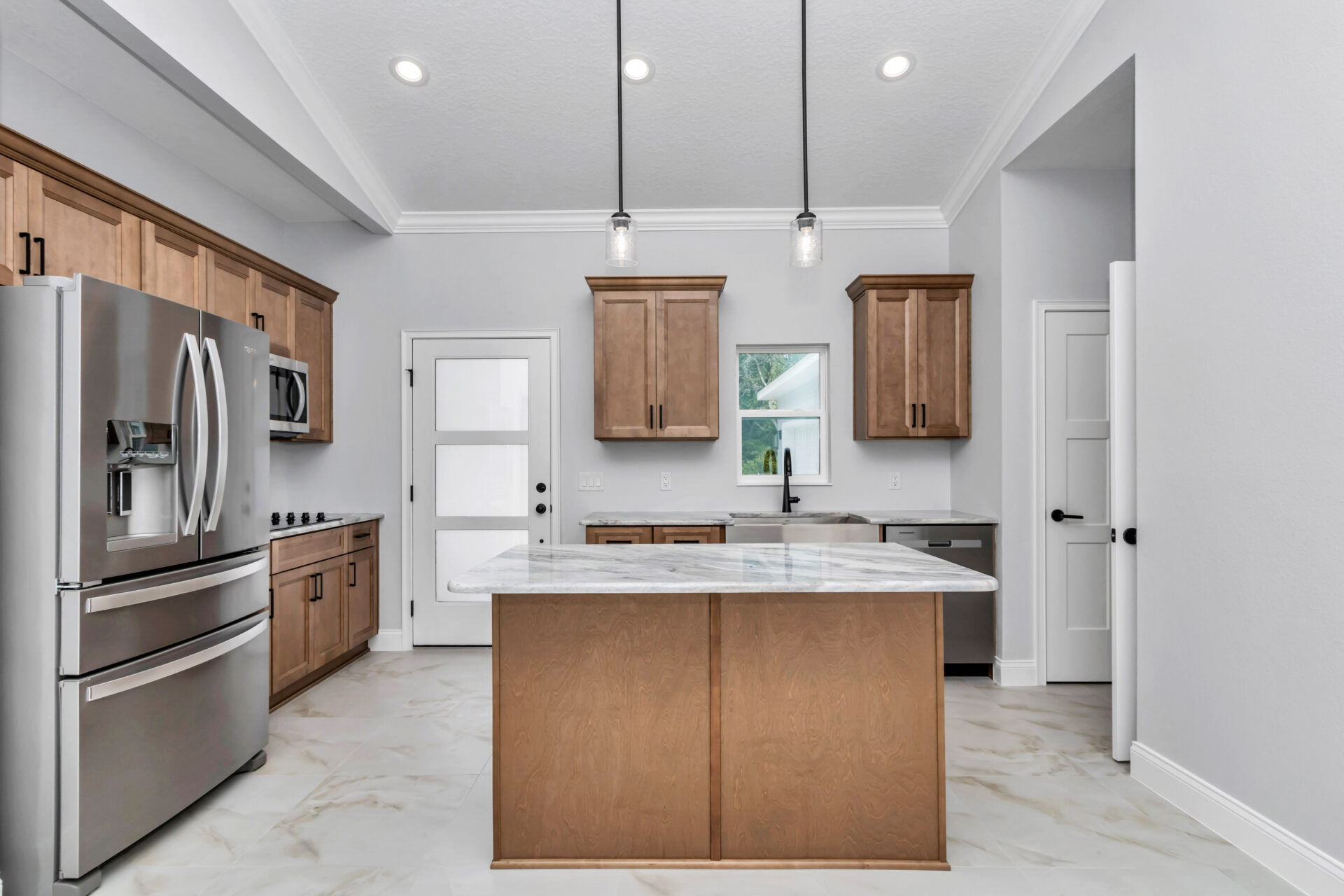
Attached ADUs
A unit that is an addition to, or built onto, the main house.
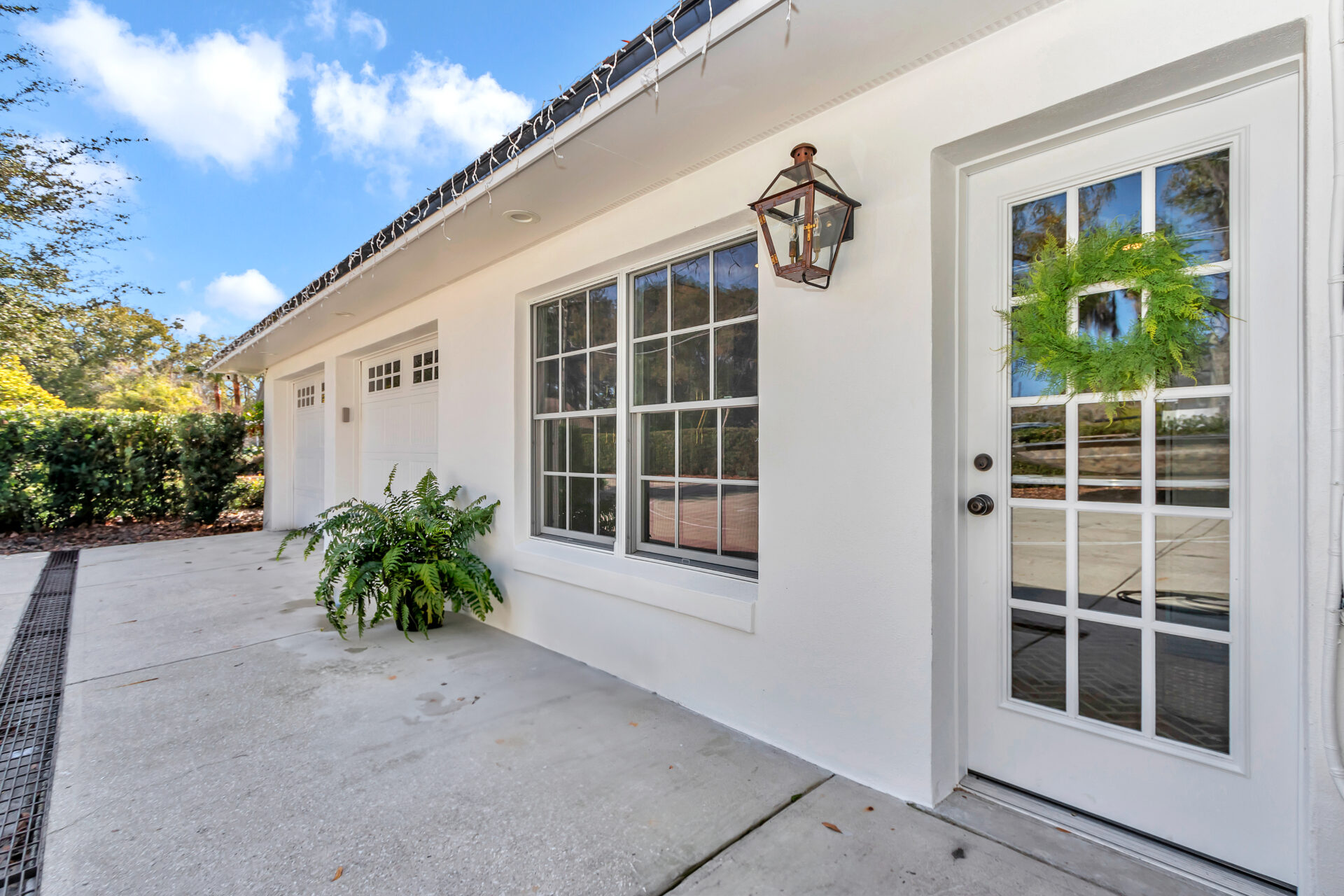
Converted ADUs
Repurposing existing space within the main house or converting a garage into a separate dwelling.
The New Florida ADU Law: Why It Matters to Us
The recent statewide legislation (part of Florida Statute § 163.31771) is a game-changer designed to encourage the creation of more housing units and provide flexibility to homeowners.
Before this law, local city and county zoning regulations often made building an ADU difficult or impossible. The new law strips away many of those local barriers by essentially requiring local governments to allow ADUs in most single-family residential zones.
What the New Law Means for Your Project:
It’s Now State-Mandated: Local governments must now allow ADUs on residential lots, eliminating many of the old, restrictive local ordinances.
No Excessive Parking Rules: Cities can no longer enforce extra parking requirements that were often used to block ADU construction.
Focus on Long-Term Housing: The law prevents ADUs from being used as short-term vacation rentals (like Airbnbs), ensuring they serve as longer-term housing for residents.
Streamlined Process: While local governments can still regulate things like setbacks and height, the law prevents them from using excessive “red tape” to make the permitting process overly difficult.
Simply put, if you are planning a new construction home or a major addition, my team and I believe it is now easier than ever to incorporate a flexible living unit right onto your property.
Innovative ADU Experience: My Approach to New Construction Homes
My experience as a builder has shown me how invaluable a thoughtfully designed ADU can be, both as an investment and as a functional space for extended family.
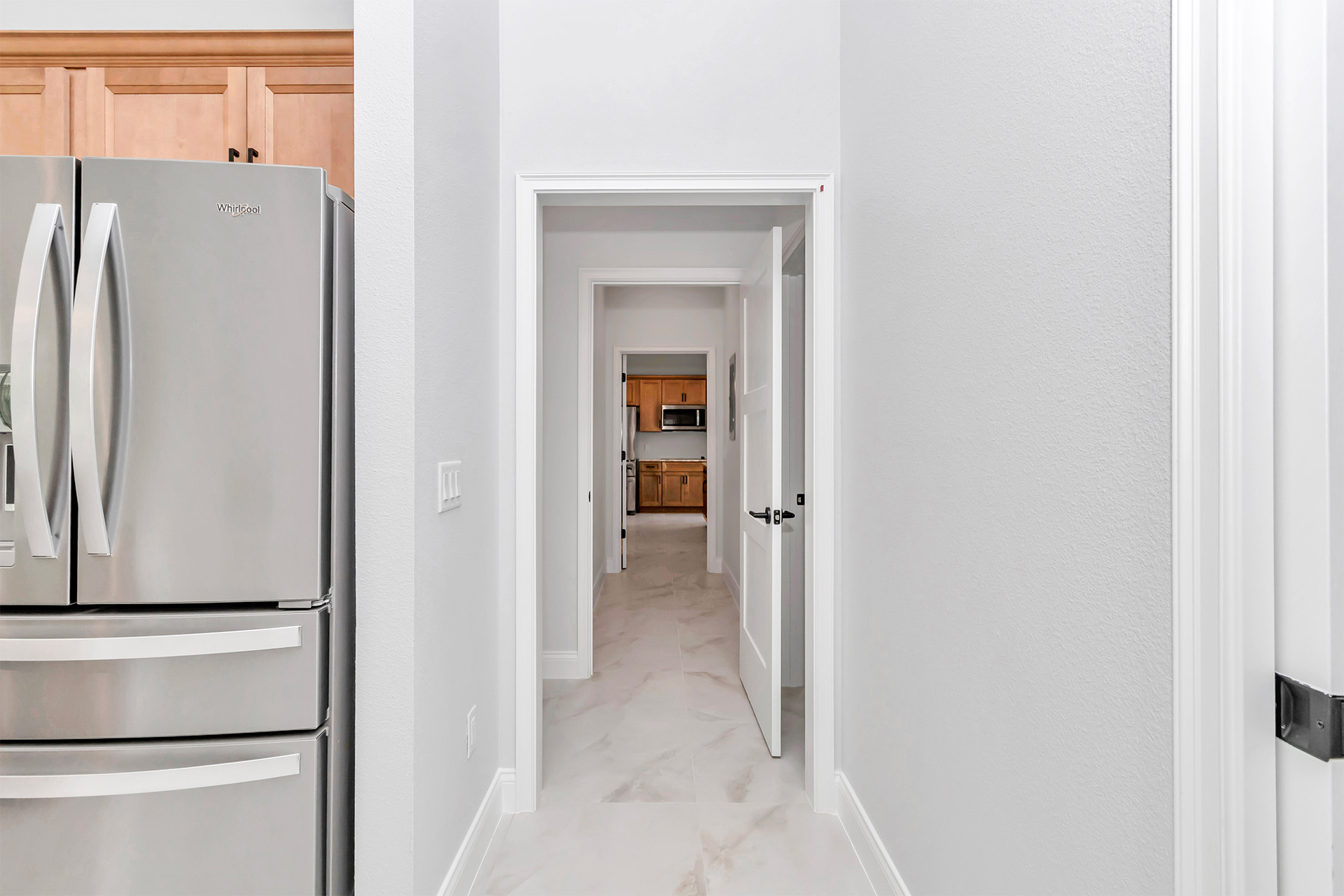
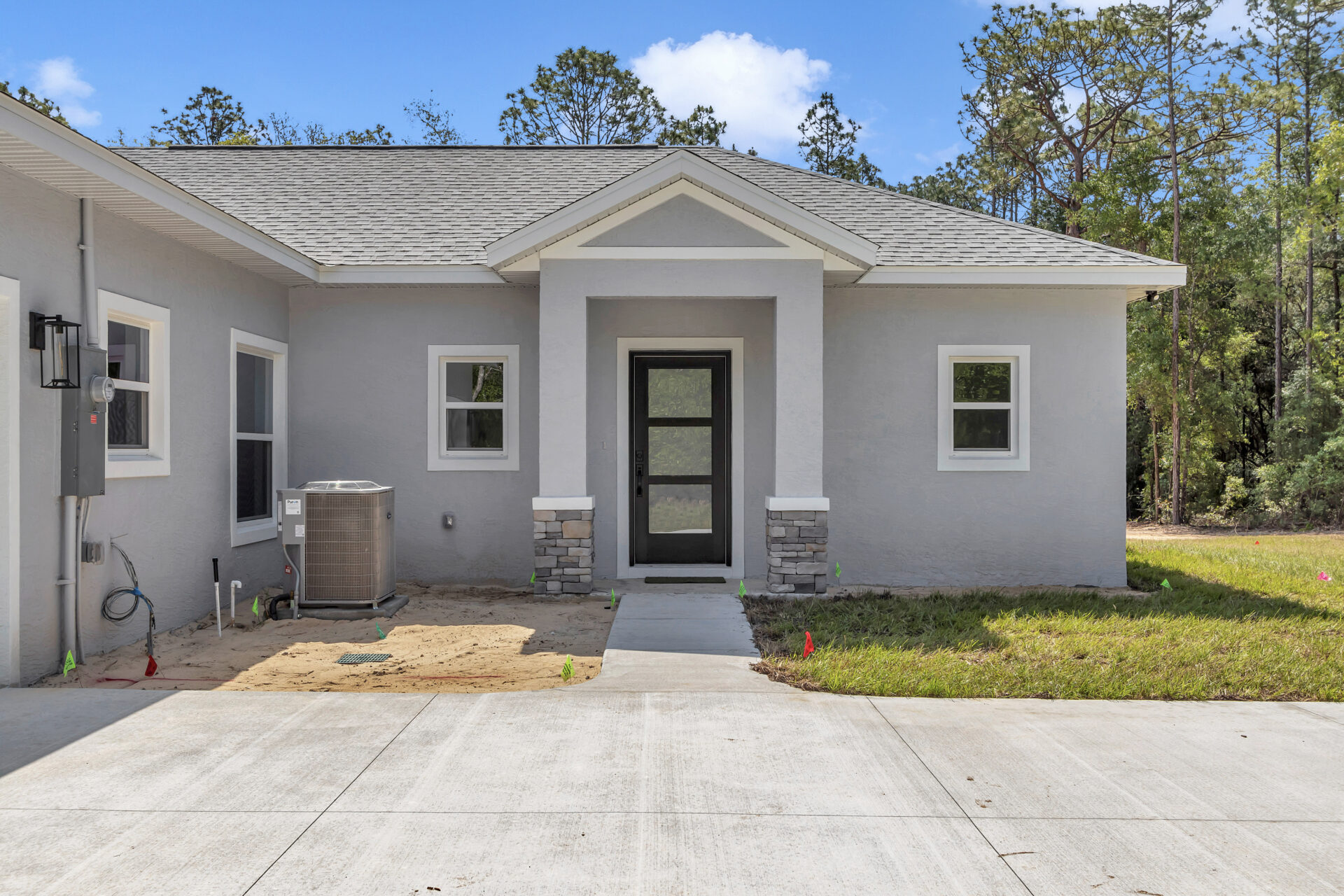
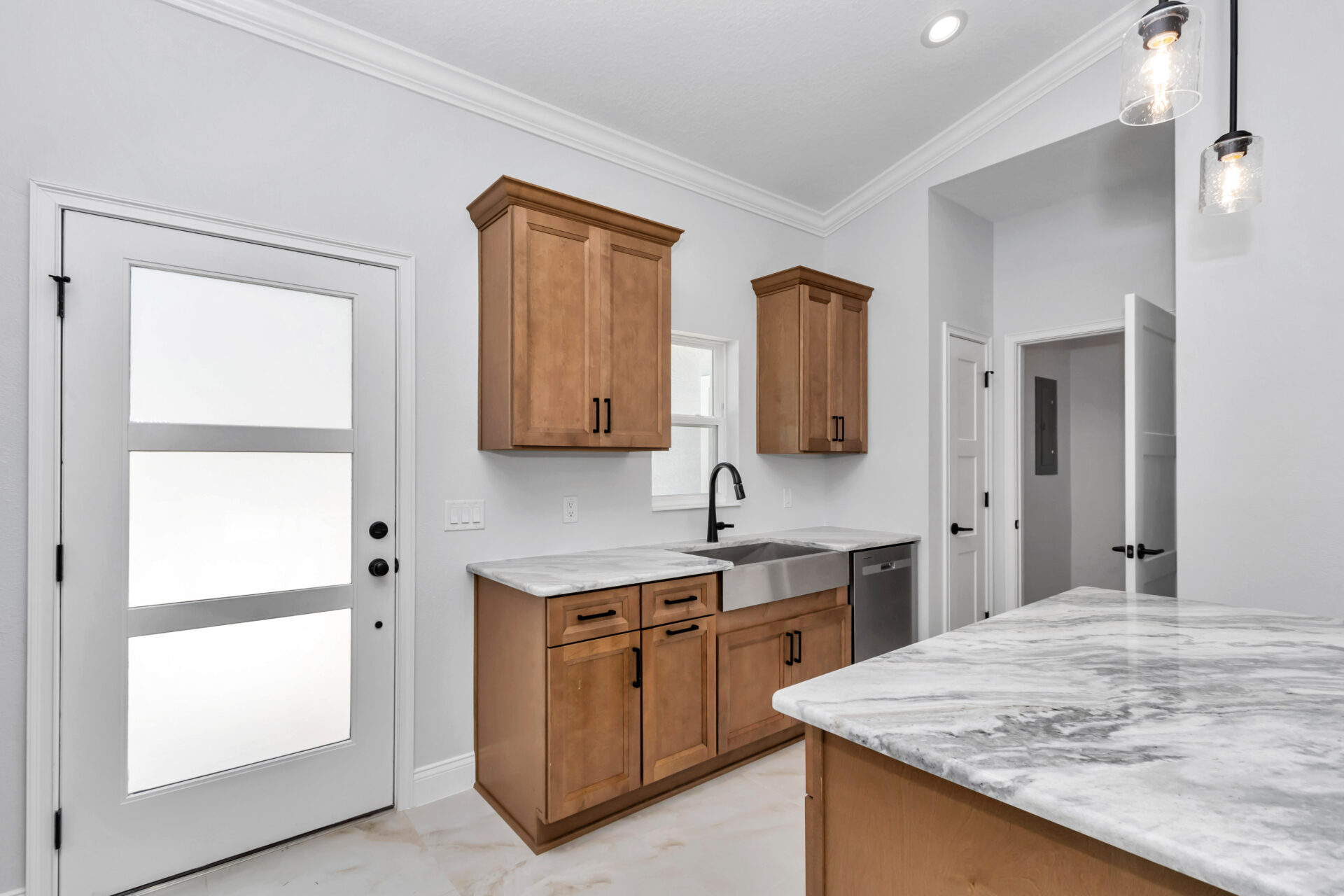
We’ve completed diverse ADU projects, from a detached, separate dwelling to a pioneering new construction home with an integrated ADU. In fact, we recently completed a custom home that features a highly flexible attached ADU designed for an In-Law Suite or potential long-term rental income.
Building Smarter, Not Just Bigger
Building an ADU with your new construction home allows for smart design integration that optimizes efficiency and value. While certain flexibility can be incorporated into a major addition later, designing the ADU from the ground up makes the process cleaner, often more cost-effective, and ensures the best possible integration into the home’s final layout.
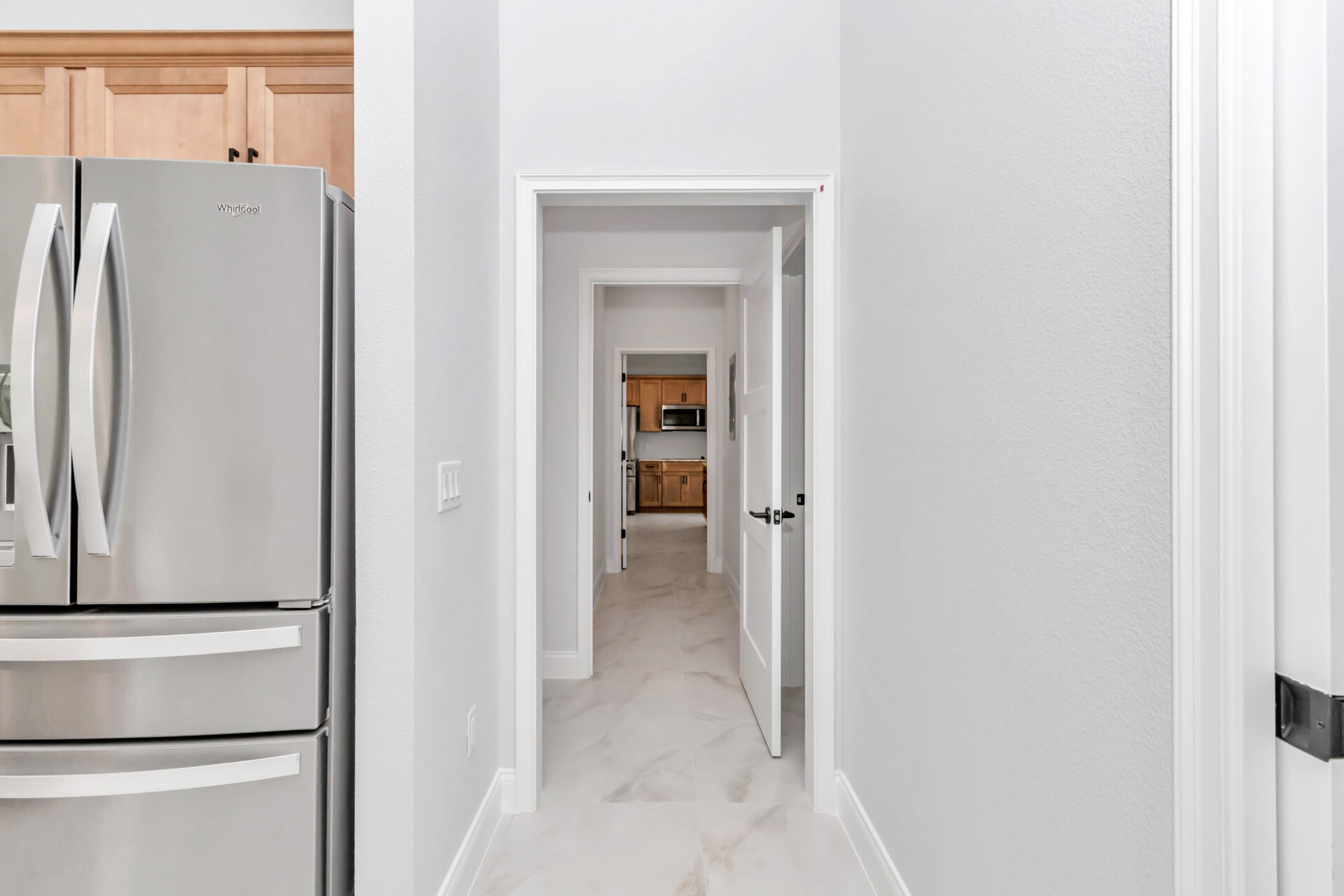
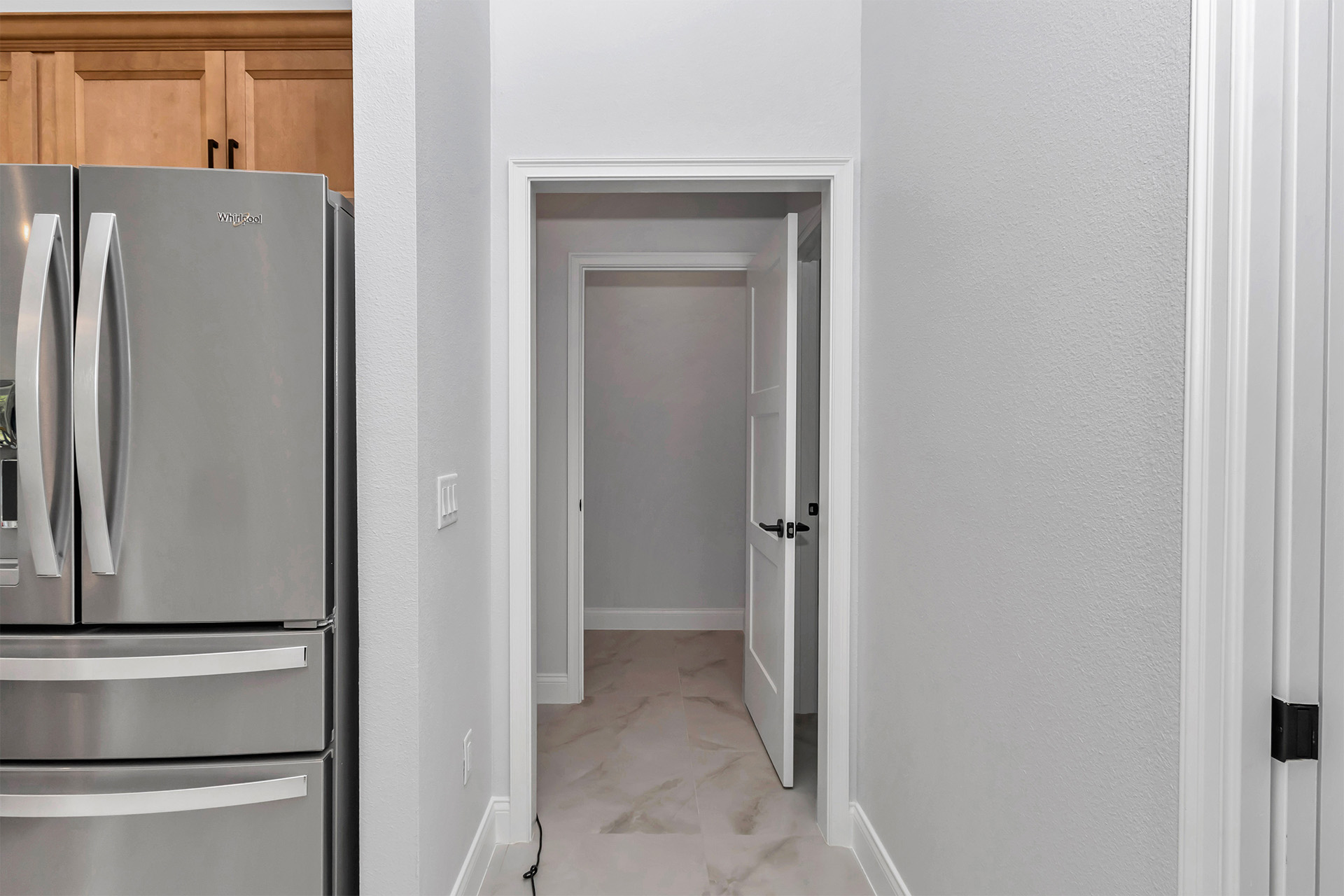
An In-Law Suite we designed, for example, includes features that allow for future conversion. The homeowner maintains the flexibility to easily convert shared spaces, into storage or a fully closed-off wall later on if their needs change—such as when they decide to rent out the unit long-term.
My team and I specialize in creating these flexible living units. We ensure our designs meet your needs while always verifying with local municipalities that our plans comply with current build codes. This attention to detail allows us to maximize the function and long-term financial value of your new custom home.